
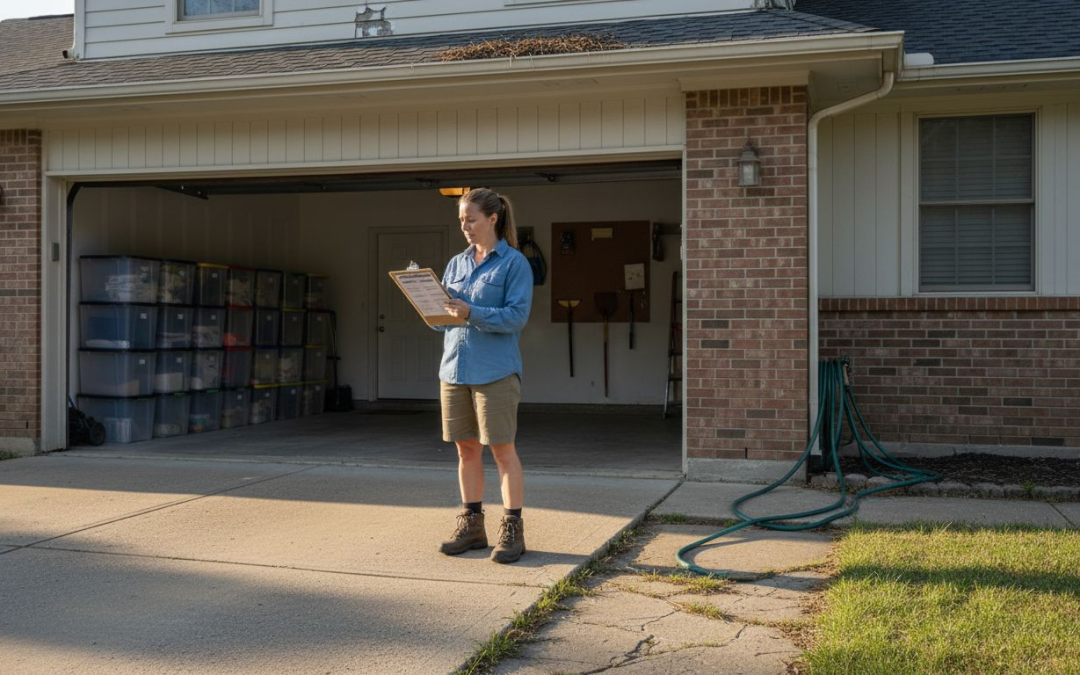
Owning a home in the Dallas Fort Worth area means facing unpredictable weather, aging systems, and hidden maintenance challenges. Small issues like unnoticed leaks, worn filters, or a cracked piece of siding can quickly turn into expensive repairs if not caught early. It can be tough to know where to start or what problems to prioritize.
This practical guide gives you a clear path forward. You will discover the most important areas of your home to inspect and the specific warning signs to catch before they become costly disasters. Each actionable step is designed to protect your investment, your comfort, and your peace of mind. If you want to spot problems before they spiral and keep your home running smoothly, the following tips are absolutely vital.
Table of Contents
- Inspect Roof And Gutters For Storm Damage
- Check Windows And Doors For Leaks And Drafts
- Test HVAC Systems And Change Filters Regularly
- Examine Exterior Siding And Paint For Repairs
- Inspect Plumbing For Leaks And Water Damage
- Review Electrical Systems And Safety Devices
- Schedule Preventive Maintenance And Repairs
Quick Summary
| Takeaway | Explanation |
|---|---|
| 1. Inspect roof and gutters post-storm | Regularly check for missing shingles and water damage to prevent costly repairs later. |
| 2. Check windows and doors for drafts | Identify air leaks to maintain energy efficiency and comfort in your home. |
| 3. Maintain HVAC systems regularly | Change filters every 30 to 90 days to improve indoor air quality and system efficiency. |
| 4. Examine exterior siding and paint | Inspect for water damage and wear to protect your home from weather-related issues. |
| 5. Schedule preventive maintenance | Create a maintenance calendar to track inspections and maintain your home’s value over time. |
1. Inspect Roof and Gutters for Storm Damage
Storm damage can silently compromise your home’s structural integrity, making roof and gutter inspections a critical preventative measure for homeowners in the Dallas Fort Worth area. Understanding what to look for and how to assess potential damage can save you thousands in future repair costs.
Professional roof inspectors recommend thoroughly examining both interior and exterior surfaces for signs of storm impact. In your attic, search for water stains, dampness, or light penetration through roof decking which could indicate serious damage. Externally, look for missing shingles, cracked tiles, or areas where granules have worn away from asphalt shingles.
Gutters play an equally important role in protecting your home. Professional roof inspections reveal that gutters must maintain proper slope and be free from rust, cracks, or holes that could compromise water drainage. Downspouts should redirect water at least 4 to 6 feet away from your home’s foundation to prevent moisture related issues.
To conduct a thorough inspection, start by checking your roof from ground level using binoculars. Look for obvious signs of damage like curled or missing shingles, exposed roof deck, or debris accumulation. Pay special attention to areas around chimneys, vents, and skylights where water might penetrate more easily.
Key Warning Signs to Document:
• Dark streaks or water stains on interior ceilings
• Granule buildup in gutters
• Bent or separated gutter sections
• Visible roof surface damage
• Water pooling near foundation
Pro tip: Schedule a professional roof inspection immediately after significant storms, as many insurance claims have strict timelines for reporting storm damage.
2. Check Windows and Doors for Leaks and Drafts
Window and door leaks can silently drain your home’s energy efficiency, causing uncomfortable drafts and unexpectedly high utility bills. Understanding how to detect and address these air infiltration points is crucial for maintaining a comfortable living environment.
When conducting your home maintenance inspection, focus on identifying potential air leakage zones. Air sealing around windows prevents heat loss and reduces energy consumption. Start by examining window and door frames for visible gaps, cracks, or deteriorating weatherstripping that might compromise your home’s thermal envelope.
Common Problem Areas to Inspect:
• Window frame edges
• Door thresholds
• Corners where frames meet walls
• Weatherstripping condition
• Caulking around exterior edges
To test for drafts, use the classic candle or incense stick method. On a cool day, slowly move a lit candle around window and door frames. If the flame flickers or bends, you have identified an air leak that requires immediate attention. Simple solutions like new weatherstripping, caulk, or draft stoppers can significantly improve your home’s insulation.
Critical Repair Techniques:
• Replace worn weatherstripping
• Apply fresh caulk around frame edges
• Install door sweeps
• Use foam tape for small gaps
• Consider professional energy audit for comprehensive assessment
Pro tip: Invest in removable plastic window insulation kits during winter months to create an additional barrier against cold air infiltration.
3. Test HVAC Systems and Change Filters Regularly
Your home’s heating and cooling system is its respiratory system, and maintaining it properly can mean the difference between efficient comfort and costly breakdowns. Regular HVAC maintenance is not just a recommendation its a critical component of responsible homeownership.
Improving indoor air quality starts with understanding how your HVAC system functions and the role of routine maintenance. Filters are the first line of defense against dust, allergens, and airborne particles that can compromise your home’s air quality and your family’s health.
Key HVAC Maintenance Priorities:
• Check air filters every 90 days
• Clean air vents and returns
• Listen for unusual system sounds
• Monitor system performance
• Schedule professional annual inspection
Different filter types require different replacement schedules. Fiberglass filters typically need replacement every 30 days, while higher quality pleated filters can last up to 90 days. Homes with pets, allergy sufferers, or high traffic areas might require more frequent filter changes to maintain optimal air quality and system efficiency.
Potential Consequences of Neglect:
• Reduced system efficiency
• Higher energy consumption
• Increased repair costs
• Poor indoor air quality
• Potential system failure
Pro tip: Set calendar reminders on your smartphone for filter replacement dates and consider buying filters in bulk to save money and ensure you always have a replacement on hand.
4. Examine Exterior Siding and Paint for Repairs
Your home’s exterior is its first line of defense against the harsh Texas weather, making regular siding and paint inspections crucial for maintaining structural integrity and preventing costly damage. Understanding what to look for can save you thousands in potential repair expenses.
Professional home inspectors recommend comprehensive exterior inspections to identify early signs of wear and potential moisture intrusion. Different siding materials require specific examination techniques wood, vinyl, fiber cement each have unique vulnerabilities that can compromise your home’s protective shell.
Critical Areas to Inspect:
• Paint condition and peeling edges
• Cracks or splits in siding material
• Signs of water damage or rot
• Areas near ground level
• Corners and trim sections
• Around windows and doors
When examining your exterior, pay close attention to areas exposed to direct sunlight and harsh weather conditions. Look for signs of fading, chalking, or bubbling paint that might indicate underlying moisture problems. Wooden siding needs extra scrutiny for potential rot or insect damage, while vinyl siding should be checked for warping or color degradation.
Warning Signs of Serious Damage:
• Visible moisture stains
• Soft or spongy siding sections
• Significant paint peeling
• Discoloration around seams
• Visible mold or mildew growth
Pro tip: Conduct a thorough siding inspection during the spring and fall seasons when temperatures are moderate, using natural daylight and bringing a screwdriver to probe potentially soft wood areas.
5. Inspect Plumbing for Leaks and Water Damage
Water damage can silently destroy your home’s structural integrity, turning minor plumbing issues into expensive nightmares that compromise your property’s value and safety. Regular plumbing inspections are your first line of defense against potential catastrophic failures.
Critical Areas to Examine:
• Under kitchen and bathroom sinks
• Around toilet base
• Behind washing machine
• Water heater connections
• Exposed pipe joints
• Ceiling and wall intersections
• Basement and crawl spaces
Modern homeowners should approach plumbing inspections systematically. Look for subtle signs of moisture including discoloration, warped flooring, musty odors, or unexplained increases in water bills. Bathroom remodeling after storm damage often reveals hidden plumbing vulnerabilities that require immediate attention.
Warning Signs of Potential Water Damage:
• Soft or bubbling wall surfaces
• Unexplained water stains
• Mold growth
• Peeling paint or wallpaper
• Buckled flooring
• Musty smells
• Unexplained humidity
Consider using a moisture meter for precise detection of hidden water intrusion. These affordable tools can help identify potential problems before they become visible structural damage. Pay special attention to areas prone to water exposure like bathrooms, kitchens, and utility rooms.
Pro tip: Keep a detailed maintenance log documenting each plumbing inspection, including date, findings, and any repairs performed to track your home’s long term maintenance history.
6. Review Electrical Systems and Safety Devices
Electrical systems are the hidden lifelines of your home, and their proper maintenance can mean the difference between safety and potential disaster. Understanding how to thoroughly inspect and maintain these critical systems protects your family and property from unexpected risks.
Electrical safety standards require homeowners to perform regular comprehensive evaluations of their electrical infrastructure. Modern homes demand vigilant monitoring of complex electrical networks that power everything from essential appliances to sophisticated electronics.
Critical Electrical Inspection Points:
• Circuit breaker panel condition
• Outlet functionality
• Ground fault circuit interrupters
• Smoke detector operations
• Carbon monoxide detector battery
• Visible wire conditions
• Surge protector status
Start your inspection by checking the circuit breaker panel for signs of corrosion, loose connections, or burn marks. Test all ground fault circuit interrupters by pressing the test button to ensure they trip correctly. These safety devices are crucial in preventing electrical shock in areas with water exposure like kitchens and bathrooms.
Warning Signs of Electrical Problems:
• Flickering lights
• Burning smell near outlets
• Frequent circuit breaker trips
• Discolored wall plates
• Warm electrical outlets
• Sparking when plugging in devices
Pro tip: Invest in a professional electrical inspection every three to five years, especially for homes over 25 years old, to identify potential hidden electrical hazards that might not be visible during routine checks.
7. Schedule Preventive Maintenance and Repairs
Preventive maintenance is the strategic approach that transforms reactive home repairs into proactive home protection. By creating a systematic maintenance schedule, you can save thousands of dollars and extend the lifespan of your home’s critical systems and components.
The most effective maintenance plans combine regular self inspections with professional assessments. Why renovate after damage becomes less of an urgent question when you consistently monitor and address potential issues before they escalate into major problems.
Annual Maintenance Calendar Priorities:
• HVAC system professional inspection
• Roof and gutter assessment
• Plumbing system check
• Electrical system evaluation
• Exterior siding and paint review
• Foundation and structural inspection
• Pest control assessment
Develop a comprehensive maintenance calendar that tracks each system’s specific requirements. Digital tools and smartphone apps can help you create reminders and document inspection results. Consider color coding different home systems to track their individual maintenance needs more effectively.
Key Documentation Elements:
• Date of inspection
• Findings and observations
• Recommended repairs
• Completed repair details
• Cost of maintenance
• Professional contractor information
Pro tip: Create a dedicated digital folder or physical binder to store all maintenance records, which can increase your home’s resale value and provide a clear history of care and investment.
The following table provides an overview of the key maintenance topics and actionable advice covered in the provided article, helping homeowners understand critical areas to inspect and maintain for ensuring their properties’ longevity and effectiveness.
| Maintenance Area | Key Actions | Warnings and Tips |
|---|---|---|
| Roof and Gutters | Inspect for missing shingles, water stains, and ensure proper gutter slope. | Granule buildup and bent gutters indicate damage. Schedule inspections post-storm. |
| Windows and Doors | Check weatherstripping and test for drafts using a candle method. | Replace worn components promptly to maintain energy efficiency. |
| HVAC Systems | Change filters regularly and schedule annual professional inspections. | Neglect reduces system efficiency and increases potential repair costs. |
| Exterior Siding and Paint | Examine for cracks, peeling paint, and signs of water damage. | Conduct inspections in moderate seasons such as spring or fall. |
| Plumbing | Inspect for leaks around pipes, under sinks, and water appliances. | Unaddressed leaks lead to costly structural damages. |
| Electrical Systems | Evaluate the circuit breaker panel, outlets, and smoke detectors. | Frequent electrical issues signal hidden problems; seek professional help. |
| Preventive Maintenance | Develop and maintain a systematic inspection calendar. | Comprehensive documentation enhances property value. |
Protect Your Home with Expert Maintenance and Repair Solutions
Keeping up with a detailed home maintenance checklist like the 7 critical steps outlined ensures your Dallas Fort Worth property stays safe and efficient. From inspecting roofs and gutters after storms to checking plumbing for leaks and ensuring your HVAC system runs smoothly each season these tasks can feel overwhelming and time sensitive. When hidden damage threatens your home’s value or comfort, trusted professional support is essential.
Astrotech Construction specializes in full home remodeling and professional repair services including roof replacement, storm damage repair, siding, gutters, and bathroom upgrades that align directly with your maintenance priorities. With years of experience serving the Dallas Fort Worth Metroplex, we help you prevent costly issues before they escalate and restore your home’s integrity with quality workmanship.
Looking to turn your ultimate home maintenance checklist into a long-term protection plan?

Schedule a consultation today at Astrotech Construction and let our experts guide you through thorough inspections and trusted repairs. Don’t wait for small problems to become expensive disasters. Take control now for peace of mind and enhanced comfort in your home.
Frequently Asked Questions
What are the key steps in the home maintenance checklist?
To maintain your home effectively, follow these key steps: inspect the roof and gutters, check windows and doors for leaks, test HVAC systems, examine exterior siding and paint, inspect plumbing for leaks, review electrical systems, and schedule preventive maintenance and repairs. Start by conducting a thorough inspection of each area at least once a season to catch any potential issues early.
How often should I inspect my roof and gutters?
You should inspect your roof and gutters at least twice a year, ideally in the spring and fall, and immediately after severe storms. Look for missing shingles, water stains, or debris in gutters to prevent water damage.
What should I look for when checking windows and doors?
During your inspection of windows and doors, look for visible gaps, cracks, and worn weatherstripping that could lead to drafts and energy loss. Use the candle test method to identify air leaks, moving a lit candle around the frames to see if the flame flickers, indicating a leak.
How can I ensure my HVAC system runs efficiently?
Ensure your HVAC system runs efficiently by checking air filters every 90 days and scheduling an annual professional inspection. Clean air vents and monitor system performance for strange sounds or inefficiencies to prevent costly repairs.
What are the signs of plumbing leaks I should watch for?
Watch for signs of plumbing leaks such as soft or bubbling wall surfaces, unexplained water stains, or musty odors. Conduct a systematic inspection of potential problem areas, like under sinks and around water heater connections, to catch leaks early.
Why is routine electrical system maintenance important?
Routine electrical system maintenance is crucial for preventing hazards like shocks or fires. Regularly check the circuit breaker panel and ensure all safety devices are functioning properly, with professional inspections recommended every three to five years for older homes.
Recommended
- 7 Essential Examples of Home Repairs Every Owner Should Know – Astrotech Construction
- Home Renovation Checklist 2025: A Step-By-Step Guide – Astrotech Construction
- 7 Home Improvement Best Practices Every Owner Should Know – Astrotech Construction
- Step by Step Renovation Checklist for Homeowners – Astrotech Construction
- Ultimate Commercial Building Maintenance Checklist 2025 – Mats4U USA