
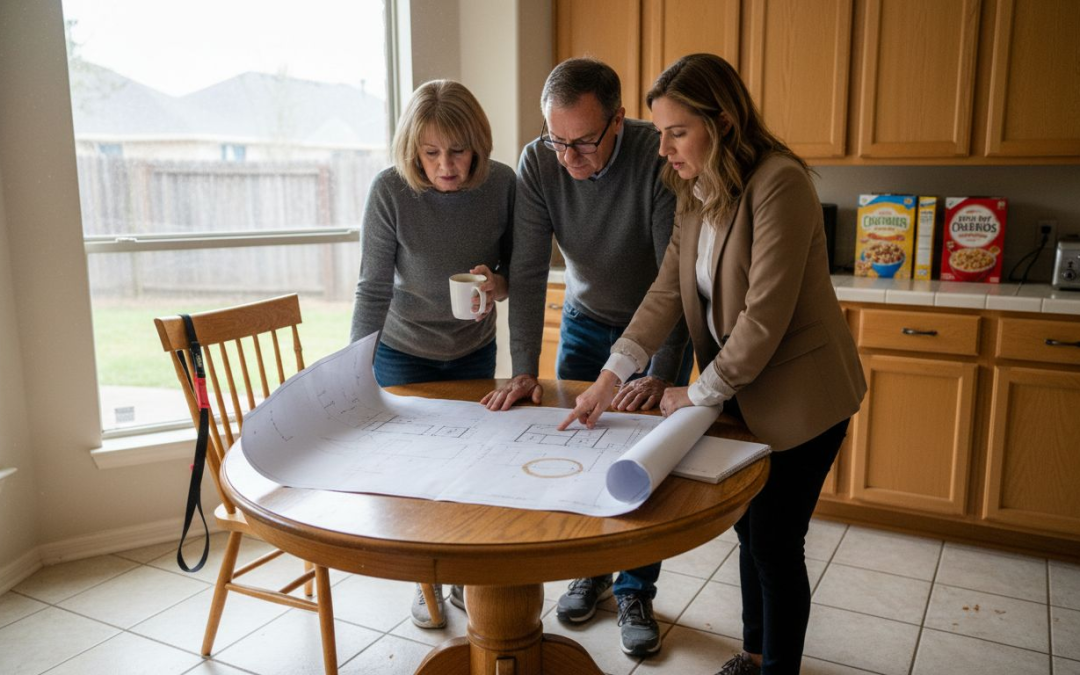
Most homeowners think project scoping is just making a task list for their contractor. The truth? It’s the strategic blueprint that prevents your Dallas-Fort Worth remodeling project from spiraling into budget nightmares and endless delays. Project scoping defines objectives, deliverables, timeline, and budget, creating the foundation that keeps your renovation on track. This guide reveals the essential elements that separate successful remodels from costly disasters.
Table of Contents
- Understanding Project Scoping: Definition And Importance
- Key Elements And Steps Of Project Scoping In Construction And Remodeling
- What Most People Get Wrong: Common Misconceptions About Project Scoping
- How Poor Project Scoping Impacts Costs, Timelines, And Quality
- Frameworks And Tools To Manage Project Scope Effectively
- Best Practices For Homeowners And Property Managers In Dallas-Fort Worth
- Summary: Making Project Scoping Work For You
- Partner With Astrotech For Flawless Project Scoping And Remodeling
- Frequently Asked Questions About Project Scoping
Key takeaways
| Point | Details |
|---|---|
| Project scoping sets clear objectives | Defines your project’s boundaries, budget, timeline, and expected outcomes before work begins. |
| Poor scoping causes major problems | Leads to cost overruns exceeding 40% and delays in over half of remodeling projects. |
| Scoping requires multiple steps | Involves needs assessment, feasibility study, detailed definition, stakeholder agreement, and formal documentation. |
| Communication drives success | Regular scope reviews and documented changes prevent surprises and keep projects aligned. |
| Early contractor engagement matters | Bringing contractors into scoping early improves accuracy and project outcomes significantly. |
Understanding project scoping: definition and importance
Project scoping is the foundational process that sets your project’s objectives, deliverables, timeline, and budget before any hammer swings. Think of it as your project’s constitution, the document everyone references when questions arise about what’s included or excluded.
Clear project scoping manages expectations from day one. When you and your contractor agree on scope upfront, you eliminate the guesswork that causes most remodeling conflicts. You’ll know exactly what you’re paying for and when to expect completion.
Without proper scoping, you’re building on quicksand. Surprises emerge constantly because nobody documented what work was actually included. Miscommunications multiply as the project progresses, leading to frustration on both sides.
Scope boundaries guide every decision throughout your remodeling scope complete guide journey. They tell your contractor what to prioritize and help you evaluate change requests against your original vision. These boundaries also protect your budget from endless additions.
A comprehensive project scope should include:
- Clear project objectives and success criteria
- Detailed deliverables and specifications
- Realistic timeline with key milestones
- Budget breakdown and payment schedule
- Explicit exclusions defining what’s not included
“Project scoping provides the framework for defining and controlling what is and is not included in the project, serving as the basis for all project decisions and enabling effective collaboration among stakeholders.”
This definition captures why skipping thorough scoping creates problems. Every stakeholder needs the same understanding of project boundaries. When that shared understanding exists, your remodeling project runs smoothly.
Key elements and steps of project scoping in construction and remodeling
Effective project scoping follows a structured approach that builds clarity step by step. Each phase adds detail and confidence to your remodeling plan.
-
Needs assessment: Start by identifying your goals and requirements. For a Dallas-Fort Worth kitchen remodel, this means deciding whether you want more storage, better traffic flow, updated appliances, or all three. Document your must-haves versus nice-to-haves.
-
Feasibility study: Evaluate whether your vision fits your budget, timeline, and property constraints. Check local building codes and HOA restrictions that might limit your options. This step prevents you from planning renovations that aren’t realistic.
-
Detailed scope definition: Break down every work component into specific tasks and deliverables. Instead of “update bathroom,” specify tile type, fixture brands, vanity dimensions, and electrical upgrades. Precision here prevents confusion later.
-
Stakeholder agreement: Review the detailed scope with your contractor and any other decision makers. Everyone must agree on what’s included before work begins. This alignment is crucial for preventing disputes.
-
Scope baseline documentation: Create formal documents that capture the agreed scope, budget, and timeline. This baseline becomes your reference point for managing any changes that arise during construction.
Your project faces constraints like budget limits, timeline requirements, and local regulations. Dallas-Fort Worth projects must consider climate factors like summer heat affecting outdoor work schedules. Permitting timelines vary by municipality, impacting your overall schedule.
Engaging contractors early in the hiring contractors guide process improves scoping accuracy dramatically. Experienced contractors spot potential issues you might miss. They provide realistic cost and timeline estimates based on actual field experience.
Documentation creates your formal baseline for managing changes. When requests arise mid-project, you can evaluate them against this baseline to understand cost and schedule impacts before approving.
What most people get wrong: common misconceptions about project scoping
Many homeowners believe project scoping means listing work items in a spreadsheet. This oversimplification causes problems because scope includes much more than a task checklist. It defines boundaries, processes, quality standards, and change management protocols.
The most overlooked element? Exclusions. Defining what’s out of scope protects both you and your contractor. When your bathroom remodel scope explicitly states “kitchen work is excluded,” there’s no confusion about whether the contractor should fix that leaky kitchen faucet they noticed.
Common misconceptions that derail projects:
- Believing scope is set once and never changes
- Thinking verbal agreements suffice without documentation
- Assuming small changes don’t need formal approval
- Confusing scope definition with actual construction work
Project scoping is an ongoing process throughout your home improvement workflow seamless remodeling journey. As conditions change or new information emerges, scope may need adjustment. The key is managing those changes formally rather than letting them happen casually.
Change requests must flow through established scope boundaries. When you want to upgrade from standard to premium countertops mid-project, that change affects budget and possibly timeline. Documenting the change prevents later disputes about what was agreed.
Pro Tip: Schedule weekly scope reviews with your contractor to catch potential issues early. Use these meetings to verify work aligns with documented scope and address any emerging concerns before they become expensive problems.
Some homeowners confuse creating the scope document with doing the actual work. Scoping is the planning phase that happens before construction starts. It’s the roadmap, not the journey itself.
How poor project scoping impacts costs, timelines, and quality
Inadequate scoping triggers a cascade of problems that drain your budget and patience. Research shows unclear scope causes over 40% of budget overruns in remodeling projects. These aren’t small overages but often represent thousands of dollars in unexpected costs.

Scope creep, where undefined boundaries allow endless additions, leads to 52% of project delays. Each “small addition” compounds with others, pushing your completion date further back. What started as a six-week bathroom remodel stretches into three months.
| Impact Area | Poor Scoping | Good Scoping |
|---|---|---|
| Budget overruns | 40-60% over budget | Within 5-10% of budget |
| Timeline delays | 50%+ of projects delayed | 85%+ completed on time |
| Quality issues | Frequent compromises and rework | Consistent quality standards met |
| Owner satisfaction | High stress and disputes | Clear expectations and satisfaction |
The numbers tell a stark story. Projects with thorough scoping finish on time and budget at dramatically higher rates. The difference isn’t luck but the clarity that proper scoping provides.
“Projects with well-defined scope statements are 2.5 times more likely to be completed on time and on budget compared to those with poorly defined scope.”
Quality suffers when scope remains unclear because contractors must guess at your expectations. Should they use standard or premium materials when the scope doesn’t specify? These judgment calls often disappoint homeowners who envisioned something different.
When budget pressure mounts from scope creep and overruns, quality becomes the casualty. Contractors might cut corners to stay within the inflated budget, or homeowners accept lower quality to finally finish the project. Neither outcome satisfies anyone.
Clear scope protects your investment by establishing quality standards upfront. When your estimate remodeling costs includes specific material grades and workmanship standards, there’s no ambiguity about acceptable results.
Money saved through better scoping is substantial. Preventing just one major change order can save thousands of dollars. Avoiding delays saves both money and the stress of living in a construction zone longer than necessary.
Frameworks and tools to manage project scope effectively
Structured frameworks transform vague remodeling ideas into actionable project plans. The Work Breakdown Structure (WBS) organizes project components into manageable hierarchies, breaking your kitchen remodel into levels like demolition, electrical, plumbing, cabinetry, and finishes.
A WBS helps you see relationships between tasks and spot dependencies. You can’t install cabinets before completing electrical work, for example. This visibility improves scheduling and resource planning significantly.
Key scope management documents include:
- Scope statement defining project boundaries and deliverables
- Work breakdown structure organizing tasks hierarchically
- Change management plan establishing how modifications get approved
- Requirements documentation capturing all specifications
- Scope verification checklist ensuring deliverables meet standards
| Method | Best For | Key Benefit |
|---|---|---|
| Work Breakdown Structure | Complex multi-room remodels | Organizes tasks into clear hierarchy |
| Scope Statement | All project sizes | Documents boundaries and deliverables |
| Change Control Log | Projects with frequent changes | Tracks all modifications formally |
| Requirements Traceability | High-detail projects | Links deliverables to original requirements |
Digital tools make scope management easier for homeowners. Project management apps let you share documents with contractors, track changes, and maintain communication history. Cloud storage ensures everyone accesses current versions of scope documents.
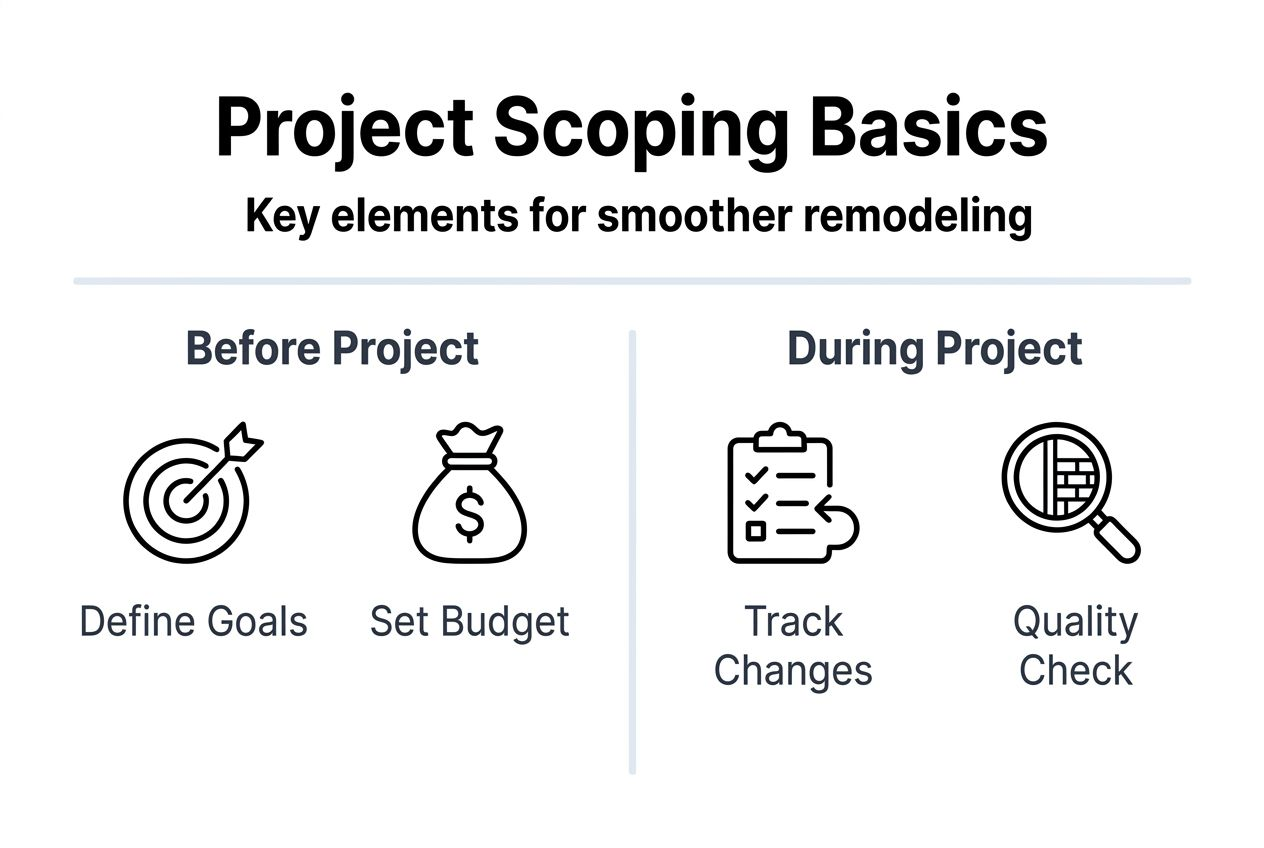
Pro Tip: Create a project folder in cloud storage with subfolders for scope documents, contracts, permits, invoices, and photos. Share this folder with your contractor for transparent project management remodeling guide collaboration throughout your remodel.
Keeping clear records prevents conflicts when memories differ about what was agreed. Your documented scope becomes the objective reference that resolves disagreements quickly. Time-stamped change approvals show exactly when and why modifications occurred.
Frameworks aren’t bureaucracy but tools that simplify complex projects. They create shared understanding among everyone involved, reducing miscommunication that causes most remodeling frustrations.
Best practices for homeowners and property managers in Dallas-Fort Worth
Engaging contractors during initial scoping rather than after finalizing plans improves accuracy dramatically. Experienced contractors identify potential issues like hidden structural problems or code requirements you might overlook. Their input shapes realistic budgets and timelines from the start.
Written scope statements eliminate ambiguity that verbal agreements create. Document everything: materials, dimensions, quality standards, completion criteria, and exclusions. This written record protects both parties and provides clarity throughout the project.
Communicate your constraints clearly upfront. If your budget caps at $50,000, say so during scoping. If you need completion before a specific date, make that timeline requirement explicit. Hiding constraints leads to proposals you can’t accept.
Regular scope progress reviews keep projects aligned with original plans. Weekly walkthroughs with your contractor verify work matches documented scope. These checkpoints catch deviations early when corrections cost less.
Local considerations for Dallas-Fort Worth projects:
- Summer heat affects outdoor work schedules and material curing times
- Permitting timelines vary significantly between Dallas, Fort Worth, and suburban municipalities
- Foundation issues common in North Texas clay soil may expand project scope
- HOA approval requirements in many DFW neighborhoods affect timelines
- Storm season considerations for roofing and exterior work scheduling
These regional factors must inform your scoping process. A step-by-step guide to hiring contractors familiar with DFW conditions helps navigate these local complexities effectively.
Pro Tip: Schedule your scope check-ins for the same day and time each week. Consistency makes these reviews routine rather than feeling like oversight, fostering better contractor relationships while maintaining project control.
Document every scope adjustment in writing, even small ones. When your contractor suggests swapping tile suppliers mid-project, get the change documented with any cost or timeline impacts noted. This paper trail prevents later disputes about what was agreed.
Maintain copies of all scope and contract documents in multiple locations. Keep physical copies and digital backups so you always have access to reference materials. These documents prove invaluable if disagreements arise or you need to understand remodeling timelines explained for planning purposes.
Summary: Making project scoping work for you
Clear project scoping reduces risks that derail remodeling projects and drain budgets. When you invest time in thorough scoping upfront, you prevent the costly surprises that plague poorly planned renovations. The hours spent defining scope save weeks of delays and thousands in overruns.
Ongoing communication and documentation sustain the clarity that initial scoping creates. Projects evolve as work progresses, but managed evolution differs from chaotic scope creep. Regular reviews and documented changes keep everyone aligned with project goals.
Engaging contractors early improves scope accuracy through their field experience and technical knowledge. They spot issues during planning when solutions cost less than mid-construction fixes. This collaboration builds the foundation for successful project execution.
Core benefits of effective project scoping:
- Prevents budget overruns through clear cost expectations
- Reduces delays by establishing realistic timelines
- Improves quality through documented standards
- Increases satisfaction by managing expectations
- Minimizes conflicts via clear boundaries and processes
Higher homeowner satisfaction stems directly from the clarity that good scoping provides. When your project delivers what was promised, on time and on budget, you feel confident in your investment. That confidence starts with comprehensive scope definition.
Effective project scoping isn’t bureaucratic overhead but smart planning that protects your investment. The alternative, proceeding without clear scope, invites problems that cost far more than the time spent scoping properly.
Partner with Astrotech for flawless project scoping and remodeling
Navigating project scoping complexities becomes simpler with experienced professionals guiding your Dallas-Fort Worth remodeling journey. Astrotech Construction specializes in helping homeowners define clear project scopes that prevent costly surprises and delays.
Our expert team walks you through every scoping step, from initial needs assessment through final documentation. We translate your vision into detailed specifications that contractors can execute precisely. This clarity ensures your project finishes on time and within budget.
Astrotech’s comprehensive approach covers timeline planning, budget development, and contractor coordination. We help you understand what’s realistic for your investment and timeline, preventing the disappointment of misaligned expectations. Our home improvement workflow seamless remodeling process ensures smooth project execution from concept to completion.
Explore our detailed resources on project scoping through our remodeling scope complete guide and learn how proper contractor selection enhances scoping accuracy with our step-by-step guide to hiring contractors. These guides complement our hands-on support throughout your renovation.
Frequently asked questions about project scoping
What exactly does project scoping include in remodeling?
Project scoping defines your remodeling objectives, deliverables, timeline, budget, and quality standards in specific detail. It includes listing all work tasks, specifying materials and finishes, establishing completion criteria, and documenting what’s explicitly excluded from the project. The remodeling scope complete guide breaks down these components with practical examples for Dallas-Fort Worth homeowners.
How can I avoid scope creep during my remodeling project?
Document the project scope clearly before any work begins, ensuring all parties sign off on the detailed specifications. Establish a formal change management process with your contractor that requires written approval for any modifications, including cost and timeline impacts. Review progress regularly through scheduled check-ins and communicate promptly about any requested changes to evaluate them against your baseline scope.
What role do contracts play in project scoping?
Contracts formally document the agreed scope, budget, timeline, and quality standards, making these commitments legally binding. They establish clear boundaries for what’s included and set processes for handling changes that may arise during construction. Contracts provide legal protection and serve as the authoritative reference throughout your project when questions emerge about deliverables or responsibilities.
When should I start project scoping in my remodeling process?
Begin project scoping as soon as you have a remodeling idea, even before finalizing your budget or selecting contractors. Early scoping guides your budgeting decisions and helps you choose contractors whose expertise matches your project requirements. Delaying scoping increases risks of cost overruns, timeline delays, and disappointment because you’re making decisions without full understanding of what’s involved.
Recommended
- Remodeling Scope Explained: Complete Project Breakdown – Astrotech Construction
- How to Schedule Remodeling Projects for Optimal Results – Astrotech Construction
- Master Home Improvement Workflow for Seamless Remodeling – Astrotech Construction
- Role of Project Management in Remodeling: Complete Guide – Astrotech Construction