
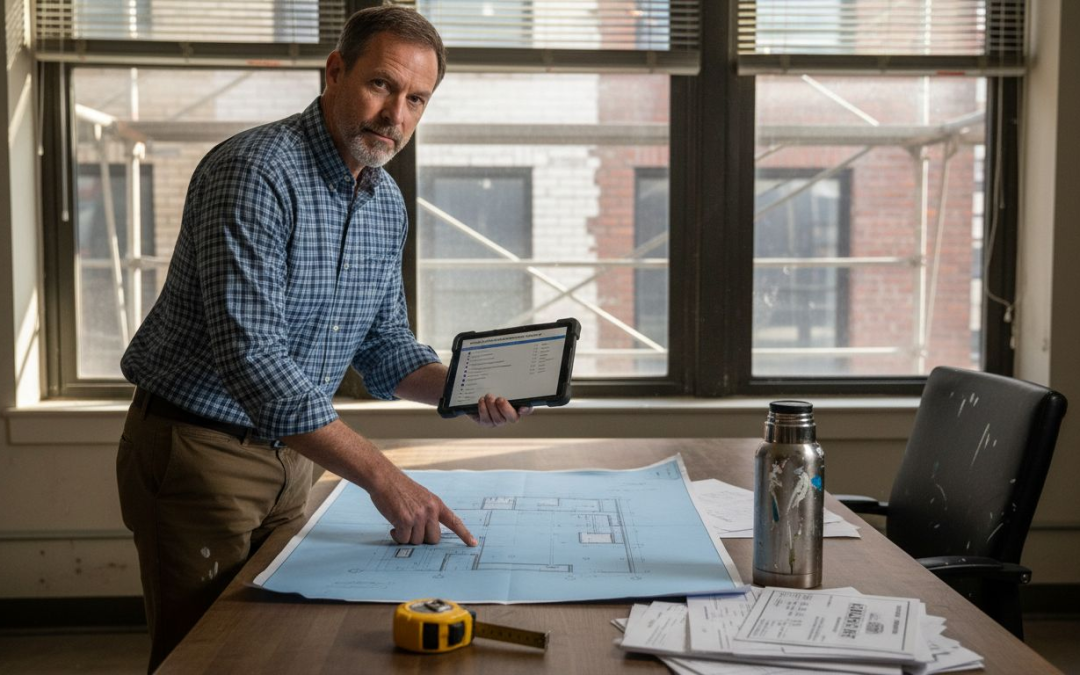
Property managers face constant pressure to keep properties both appealing and profitable. Deciding where to invest your time and budget during renovations can feel overwhelming, especially with so many variables at play. From hidden repairs to rising costs, one wrong move can lead to lost value or unhappy tenants.
The good news is, a strategic approach helps you make smarter decisions at every stage of renovation. By starting with a thorough assessment and building a realistic plan, you can prioritize the projects that matter most. Get ready to discover practical, actionable steps that will transform how you renovate and maintain your property for long-term success.
Table of Contents
- Assess Property Needs And Set Renovation Goals
- Establish A Realistic Renovation Budget
- Choose Reliable Contractors And Vendors
- Obtain Permits And Comply With Local Codes
- Prioritize Quality Roofing And Storm Damage Repairs
- Plan Upgrades For Kitchens And Bathrooms
- Schedule Regular Inspections And Quality Checks
Quick Summary
| Takeaway | Explanation |
|---|---|
| 1. Conduct a Property Needs Assessment | Evaluate your property’s condition to inform renovation goals and enhance market value. |
| 2. Establish a Realistic Budget | Plan a detailed budget covering all costs to prevent overspending during renovations. |
| 3. Choose Qualified Contractors | Select skilled contractors based on licensing, experience, and positive references for quality results. |
| 4. Obtain Necessary Permits | Secure all required permits to ensure compliance and avoid legal complications during renovations. |
| 5. Schedule Regular Inspections | Implement consistent inspections to maintain property value and identify issues before they escalate. |
1. Assess Property Needs and Set Renovation Goals
Successful property renovation begins with a comprehensive and strategic assessment of your property’s current condition and future potential. This critical first step helps property managers transform properties from functional to exceptional by understanding exactly what needs improvement.
A thorough property needs assessment involves multiple layers of evaluation:
- Physical infrastructure condition
- Energy efficiency potential
- Market value enhancement opportunities
- Functional space optimization
- Cost-effective upgrade strategies
Property managers can leverage comprehensive housing needs assessments to develop targeted renovation strategies. This approach ensures that every renovation decision is data-driven and aligned with both immediate requirements and long-term investment goals.
Effective renovation planning transforms properties from basic living spaces into high-performing assets that attract quality tenants and maximize return on investment.
The assessment process should include detailed inspections of critical home systems including electrical, plumbing, structural integrity, and energy performance. By conducting a whole-house performance evaluation, property managers can prioritize renovations that address immediate needs while strategically improving overall property value.
Key considerations during the assessment phase include:
- Identifying critical repair requirements
- Evaluating potential energy efficiency upgrades
- Analyzing market comparables for potential improvements
- Estimating budget and potential return on investment
- Understanding local housing demand and trends
Professional documentation of all findings helps create a clear renovation roadmap. Photographs, detailed reports, and expert recommendations provide a solid foundation for decision-making.
Pro tip: Conduct a professional home energy performance assessment before starting renovations to uncover hidden opportunities for improving property efficiency and value.
2. Establish a Realistic Renovation Budget
Budget planning is the financial backbone of any successful renovation project. Without a well-structured budget, property managers risk overspending and encountering unexpected financial challenges that can derail the entire renovation process.
Creating a realistic budget requires careful analysis and strategic planning. Home improvement budget strategies help property managers allocate resources effectively and prevent financial strain.
Key budget components include:
- Material costs
- Labor expenses
- Permit and inspection fees
- Contingency reserves
- Potential unexpected repair costs
A comprehensive budget is not just about tracking expenses but about creating a financial roadmap that guides your entire renovation strategy.
Property managers should break down each renovation aspect into granular cost categories. This detailed approach allows for precise financial tracking and helps identify potential areas of cost savings.
Important budget planning steps:
- Conduct thorough property condition assessment
- Get multiple contractor quotes
- Research material pricing
- Calculate 10-20% contingency fund
- Prioritize essential versus optional upgrades
Comprehensive financial planning ensures that renovation projects remain on track and within acceptable spending parameters. Understanding the full scope of potential expenses prevents costly surprises.
Pro tip: Always document every expense and maintain a flexible budget spreadsheet that allows for real-time tracking and adjustment of renovation costs.
3. Choose Reliable Contractors and Vendors
Selecting the right contractors and vendors can make or break your renovation project. The success of your property improvement efforts depends entirely on partnering with skilled professionals who understand your vision and can execute it with precision.
Property managers must conduct thorough due diligence when selecting renovation contractors to ensure project quality and minimize potential risks.
Critical factors for choosing reliable contractors include:
- Verified licensing and certification
- Proven track record of successful projects
- Transparent pricing and contract terms
- Positive customer references
- Comprehensive insurance coverage
Choosing the right contractor is not just about finding the lowest price but about securing a partnership that delivers exceptional results.
The vetting process requires careful investigation beyond surface-level credentials. Property managers should request detailed portfolios demonstrating past project complexity and quality of workmanship.
Key evaluation steps for contractor selection:
- Verify professional credentials
- Request multiple detailed project proposals
- Check online reviews and ratings
- Conduct in-person interviews
- Contact previous client references
Professional vendor relationships are built on trust, communication, and proven performance. Establishing clear expectations from the beginning helps prevent misunderstandings and ensures smooth project execution.
Pro tip: Request comprehensive documentation including licenses, insurance certificates, and tax identification numbers before signing any contractor agreements.
4. Obtain Permits and Comply with Local Codes
Navigating the complex world of building permits and local codes is a critical step in any property renovation project. Property managers must understand that permits are more than bureaucratic paperwork they represent legal protection and quality assurance for renovation work.
Understanding building permit requirements helps property managers avoid costly legal complications and ensure project compliance.
Key reasons permits are essential:
- Verify structural safety standards
- Confirm zoning regulation compliance
- Protect property owner from potential legal issues
- Ensure quality of construction work
- Document official property improvements
Permits are not obstacles but strategic safeguards that protect your investment and ensure professional renovation standards.
Local building codes vary significantly between municipalities which means property managers must conduct thorough research specific to their location. Detailed permit applications typically require comprehensive project documentation including:
- Architectural drawings
- Contractor license information
- Scope of proposed renovation work
- Estimated project timeline
- Detailed cost breakdown
Proactive permit management reduces potential project delays and prevents unexpected financial penalties. Property managers should allocate sufficient time for permit processing and potential revisions.
Pro tip: Request a pre-application consultation with local building department officials to understand specific permit requirements and streamline your approval process.
5. Prioritize Quality Roofing and Storm Damage Repairs
Roofing is the primary shield protecting your property from environmental damage and represents a critical investment in long-term structural integrity. Property managers must approach roof repairs and storm damage with strategic precision to prevent catastrophic and costly secondary damages.
Understanding storm damage repair strategies helps property managers mitigate risks and protect their investment effectively.
Critical roofing maintenance considerations include:
- Immediate damage assessment after storms
- Comprehensive leak detection
- Structural integrity evaluation
- Material quality and durability
- Energy efficiency improvements
A proactive approach to roofing repairs transforms potential vulnerabilities into opportunities for enhanced property performance and value.
Storm damage often creates hidden structural weaknesses that can compromise entire building systems. Professional inspections help identify subtle issues that untrained eyes might miss.
Key steps for effective roofing repairs:
- Conduct professional damage assessment
- Document all existing damage
- Select high-quality repair materials
- Work with certified roofing professionals
- Verify insurance coverage for repairs
Comprehensive roof maintenance protects against water intrusion, improves energy efficiency, and maintains property value. Timely interventions prevent minor issues from escalating into major structural problems.
Pro tip: Schedule professional roof inspections twice annually and immediately after significant storm events to catch potential issues before they become expensive repairs.
6. Plan Upgrades for Kitchens and Bathrooms
Kitchens and bathrooms are the most critical spaces in any property renovation strategy, serving as key indicators of overall property value and tenant appeal. Smart property managers understand these areas represent significant opportunities for transformative improvements that can dramatically enhance marketability.
Property managers can leverage kitchen upgrade strategies to maximize property investment potential and attract quality tenants.
Key considerations for kitchen and bathroom upgrades include:
- Modern appliance integration
- Energy-efficient fixtures
- Durable material selection
- Functional layout optimization
- Aesthetic design consistency
Strategic upgrades in kitchens and bathrooms transform properties from ordinary to exceptional, creating spaces that tenants desire and investors appreciate.
Successful renovations require a holistic approach that balances aesthetic appeal with practical functionality. This means selecting materials and designs that not only look impressive but also withstand daily use and maintain their quality over time.
Priority upgrade strategies:
- Evaluate current space limitations
- Research current design trends
- Prioritize high-impact improvements
- Select quality materials within budget
- Consider long-term maintenance requirements
Comprehensive renovation planning ensures that kitchen and bathroom upgrades deliver maximum return on investment while meeting tenant expectations.
Pro tip: Invest in neutral color palettes and timeless design elements that appeal to a broad range of potential tenants and minimize future renovation costs.
7. Schedule Regular Inspections and Quality Checks
Property renovation is an ongoing process that requires systematic monitoring and continuous quality assessment. Regular inspections are the critical backbone of maintaining property value and ensuring the long-term success of renovation investments.
Property managers can leverage home maintenance inspection strategies to protect their renovation investments effectively.
Key aspects of comprehensive inspection protocols include:
- Structural integrity assessment
- Mechanical system performance evaluation
- Safety compliance verification
- Energy efficiency monitoring
- Preventive maintenance tracking
Consistent quality checks transform reactive maintenance into a proactive property management strategy that prevents costly future repairs.
Successful inspection programs require a multifaceted approach that goes beyond superficial assessments. Property managers must develop detailed checklists that comprehensively evaluate every aspect of renovated spaces.
Recommended inspection frequency and focus areas:
- Immediate post-renovation assessment
- Quarterly comprehensive inspections
- Annual detailed system evaluations
- Targeted assessments after extreme weather events
- Systematic documentation of all findings
Strategic inspection planning helps identify potential issues before they escalate into expensive repairs and maintains the property’s overall performance and value.
Pro tip: Create a digital inspection tracking system that logs all maintenance activities, allowing for trend analysis and proactive problem prevention.
Below is a comprehensive table summarizing the key steps and considerations for successful property renovation as discussed in the provided article.
| Step | Key Points & Actions | Benefits/Outcomes |
|---|---|---|
| Assess Property Needs | Conduct detailed inspections of all property aspects including infrastructure, energy efficiency, and market positioning. | Data-driven renovation planning and enhanced property performance. |
| Establish a Budget | Analyze cost components such as materials, labor, contingencies, and prioritize upgrades strategically. | Keeps projects within financial limits and avoids unexpected expenses. |
| Select Reliable Contractors | Research and vet contractors by checking licenses, past work, customer references, and ensuring clarity in contracts. | Ensures high-quality work and minimizes risks associated with unreliable services. |
| Obtain Necessary Permits | Research local building codes, prepare detailed applications with supporting documentation, and allocate time for approval processes. | Safeguards legal compliance and ensures quality assurance. |
| Prioritize Storm Repairs | Address roofing and storm damage vulnerabilities by hiring certified professionals and using quality materials. | Protects property’s structural integrity and enhances energy efficiency. |
| Upgrade Kitchens & Bathrooms | Renovate kitchens and bathrooms with modern, durable materials and functional designs while following market trends. | Increases property value and tenant satisfaction. |
| Implement Inspection Plans | Set regular inspection schedules for critical systems and documents findings systematically for proactive maintenance. | Prevents costly repairs and sustains long-term property value. |
Transform Your Renovation Vision Into Reality with Astrotech Construction
Property managers face the challenge of balancing thorough assessments, realistic budgeting, reliable contractor selection, and permit compliance as they strive to enhance property value and tenant satisfaction. Whether you are prioritizing critical roof repairs after storm damage or planning compelling kitchen and bathroom upgrades, Astrotech Construction specializes in addressing these essential renovation steps with proven expertise in the Dallas Fort Worth Metroplex. Our commitment to quality assurance and transparent project management reduces risk and ensures your renovation goals are met with precision.
Ready to take the next step towards elevating your property with professional remodeling and repair solutions? Visit Astrotech Construction to explore our full range of services including storm damage repair and how to choose a contractor. Schedule your consultation now and secure your investment with trusted experts who understand every stage of the renovation process.
Frequently Asked Questions
What are the key steps in assessing property needs for renovations?
Conduct a thorough evaluation of the property’s physical infrastructure, energy efficiency, and market value. Prioritize identifying critical repairs, estimating costs, and understanding local housing trends.
How can I establish a realistic renovation budget?
Create a detailed budget by breaking down material costs, labor expenses, and permitting fees. Include a contingency reserve of 10-20% for unexpected expenses to keep your project on track.
What is the best way to choose reliable contractors for my renovation project?
Select contractors by verifying their licensing, checking customer references, and reviewing past project portfolios. Conduct in-person interviews and request multiple proposals to ensure a good fit for your project.
What permits do I need to obtain for property renovations?
Research local building permit requirements to ensure compliance with safety and zoning regulations. Gather necessary documentation, such as architectural drawings and project scopes, before submitting permit applications.
How often should I schedule inspections during the renovation process?
Plan for inspections immediately after renovations and conduct comprehensive checks quarterly. Document all findings systematically to maintain your property’s value and address issues proactively.
What are the benefits of upgrading kitchens and bathrooms in a renovation?
Renovating kitchens and bathrooms can significantly enhance the property’s marketability and tenant appeal. Focus on modern appliances and durable materials to ensure long-term satisfaction and return on investment.