Poor material choices can increase your maintenance costs by over 100% within just five years in the Dallas-Fort Worth area. This guide will help you understand how to select renovation materials optimized for local climate, durability, energy efficiency, and building codes, ensuring your investment delivers lasting value.
Table of Contents
- Understanding The Impact Of Material Selection
- Climate-Specific Material Considerations For Dallas-Fort Worth
- Common Misconceptions About Material Selection
- Comparing Popular Renovation Materials In Dallas-Fort Worth
- Frameworks For Effective Material Decision-Making
- Practical Steps For Homeowners: Applying Expert Guidance
- Enhance Your Dallas-Fort Worth Home Renovations With Astrotech Construction
Key takeaways
| Point | Details |
|---|---|
| Material selection drastically affects renovation durability, safety, and long-term costs | Choosing climate-appropriate materials prevents expensive repairs and extends renovation lifespan |
| Dallas-Fort Worth climate demands materials with high UV resistance and moisture protection | Intense sun and humidity accelerate degradation of unsuitable materials by up to 40% |
| Common misconceptions lead to higher maintenance and project delays | Cheapest materials often double costs within five years; ignoring codes causes delays in 18% of projects |
| Comparing popular materials reveals tradeoffs in cost, maintenance, and energy efficiency | Stone reduces heat gain by 15%, vinyl cuts maintenance by 40%, composite saves 25% versus wood |
| Following a framework and consulting experts ensures informed, cost-effective decisions | Structured decision-making increases satisfaction by 35% and ROI by 20% |
Understanding the impact of material selection
Your choice of renovation materials directly influences how well your home withstands Dallas-Fort Worth’s challenging climate. UV radiation accelerates material degradation by 40% if you select products without proper UV resistance. This means your beautiful new siding or roofing could start showing wear far sooner than expected.
Energy efficiency represents another critical factor. Material choice influences a home’s energy efficiency, with stone and insulated vinyl reducing heat gain by up to 15% compared to traditional wood siding in Texas climates. Lower heat gain translates directly to reduced cooling costs during brutal summer months.
Durability affects both long-term maintenance expenses and your home’s ability to withstand storm damage. Choosing materials engineered for extreme weather extends your renovation’s lifespan while enhancing safety. Consider the complete picture:
- Upfront material costs versus lifecycle expenses
- Resistance to heat, moisture, and storm damage
- Maintenance requirements over 10+ years
- Impact on home energy consumption
- Compliance with local building standards
These factors work together to determine whether your renovation becomes a lasting asset or an expensive mistake. Smart homeowners who follow essential home improvement tips for Dallas homeowners recognize that initial savings on cheap materials often lead to doubled expenses down the road. Your DFW home improvement checklist should prioritize materials proven to perform in local conditions.
Pro Tip: Calculate total cost of ownership over 15 years, not just purchase price, to identify truly cost-effective materials for your Dallas-Fort Worth renovation.
Climate-specific material considerations for Dallas-Fort Worth
Dallas-Fort Worth’s climate presents unique challenges that demand specific material characteristics. The intense Texas sun delivers relentless UV radiation that breaks down inferior materials rapidly. High UV resistance is necessary to prolong exterior material lifespan under these conditions.
Humidity creates another layer of complexity. Moisture in the air significantly reduces wood siding lifespan due to rot, warping, and insect damage. Even materials marketed as durable can fail prematurely if they lack proper moisture barriers or treatments.
Waterproofing lowers storm damage repair costs by 30% in humid climates like ours. This single intervention protects your investment from the unpredictable weather patterns characteristic of North Texas. Spring storms can deliver hail, high winds, and torrential rain within minutes.
When evaluating materials for climate compatibility, focus on these critical attributes:
- UV stabilizers that prevent color fading and structural breakdown
- Moisture barriers that stop water infiltration and rot
- Impact resistance for hail and wind-blown debris
- Thermal performance to minimize heat absorption
- Expansion and contraction tolerances for temperature swings
Failing to account for these climate effects results in frequent repairs and costly replacements. A material that performs beautifully in moderate climates may deteriorate rapidly under Dallas-Fort Worth conditions. Homeowners exploring energy-efficient remodeling ideas for homes discover that climate-appropriate materials deliver both performance and savings.
The region’s temperature extremes, from freezing winter nights to 105°F summer days, stress materials through constant expansion and contraction. Your renovation materials must handle these cycles without cracking, warping, or separating from substrates.
Common misconceptions about material selection
Many Dallas-Fort Worth homeowners fall into predictable traps when selecting renovation materials. Understanding these misconceptions helps you avoid expensive mistakes that compromise your project’s success.
-
Cheapest materials save money. In reality, budget materials often result in doubled maintenance costs within five years in hot and humid climates. Initial savings disappear when you face premature replacement or constant repairs.
-
Aesthetics matter most. While visual appeal is important, aesthetic preference should not override choosing materials suited to the local climate. Beautiful wood siding that rots in three years delivers neither value nor satisfaction.
-
Building codes are optional suggestions. Ignoring local building codes causes delays or fines in nearly 18% of DFW renovation projects. Compliance is not negotiable; it protects your investment and ensures safety.
-
All materials perform similarly. Different products deliver vastly different results in Dallas-Fort Worth conditions. Performance variations in heat resistance, moisture management, and durability are substantial.
-
Maintenance requirements are exaggerated. Manufacturers’ maintenance schedules are minimums, not maximums. Our climate often demands more frequent attention than national averages suggest.
Considering total cost of ownership proves far more valuable than focusing solely on upfront price. A material that costs 30% more initially but lasts twice as long and requires half the maintenance delivers superior value. Proper compliance with codes streamlines renovation projects and prevents the costly penalties and delays that derail budgets and timelines.
Pro Tip: Request performance data specific to Texas climates when comparing materials, as national averages often underestimate local stress factors.
Homeowners who study common DFW remodeling mistakes and how to avoid them and follow compliance tips for Dallas-Fort Worth remodels make better decisions and enjoy smoother projects.
Comparing popular renovation materials in Dallas-Fort Worth
Understanding how common materials perform in local conditions helps you make informed tradeoffs between cost, maintenance, durability, and energy efficiency.
| Material | Maintenance Cost | Durability | Energy Efficiency | Upfront Cost |
|---|---|---|---|---|
| Wood Siding | High | Poor in humidity | Moderate | Moderate |
| Composite Siding | 25% lower than wood | Good | Good | Moderate-High |
| Vinyl Siding | 40% lower than wood | Excellent | Very Good | Low-Moderate |
| Stone Siding | Very Low | Excellent | Best (15% heat reduction) | High |
Wood siding offers attractive aesthetics that appeal to traditional tastes. However, it has high maintenance requirements and poor durability in the humid DFW climate. Expect annual painting or staining, plus increased vulnerability to rot, insects, and warping.
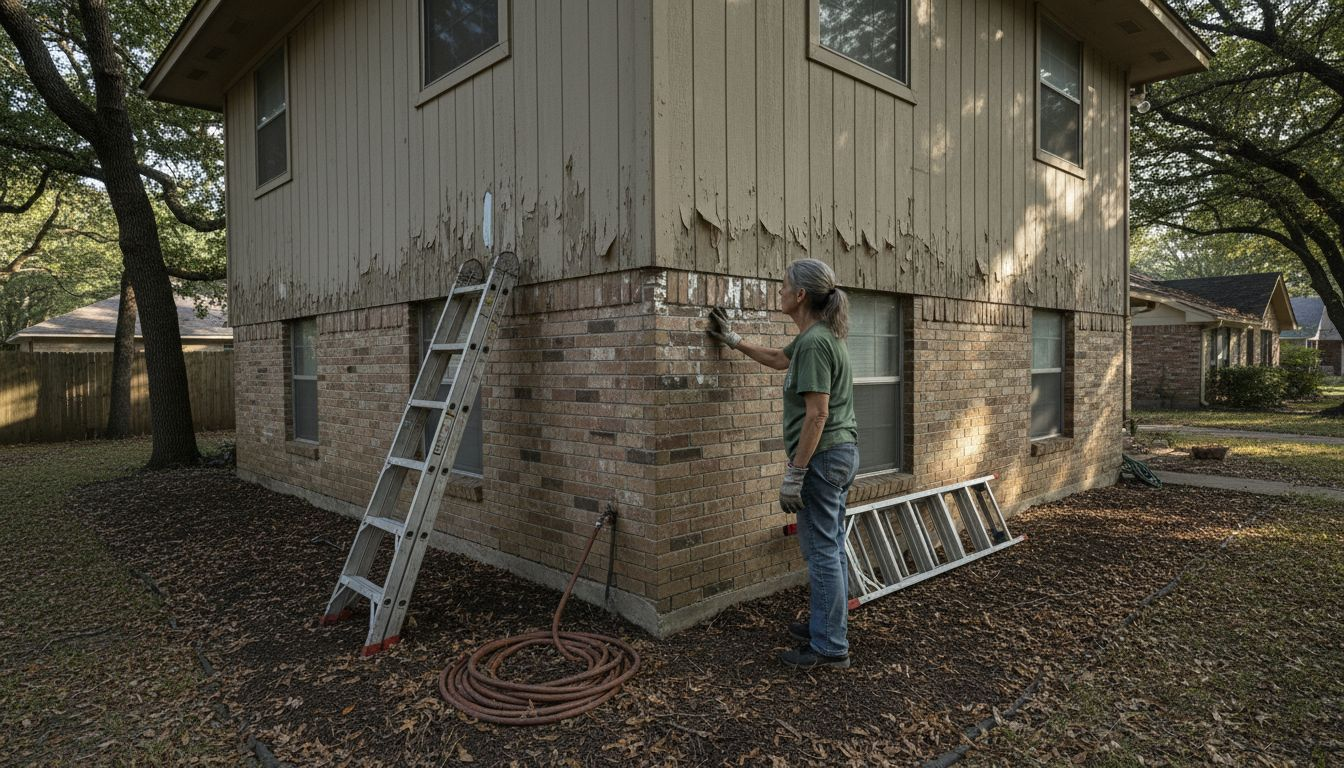
Composite siding shows 25% lower maintenance costs than wood over 10 years and offers better moisture resistance. This engineered product combines wood fibers with polymers to resist rot while maintaining a natural appearance. It requires periodic cleaning but avoids the constant upkeep wood demands.
Vinyl siding requires 40% less maintenance annually than wood in humid climates and improves UV resistance and insulation when properly installed. Modern vinyl products have overcome earlier problems with fading and cracking. They deliver excellent value for budget-conscious homeowners prioritizing low maintenance.
Stone siding provides the best heat gain reduction at up to 15% along with exceptional durability. Natural stone or manufactured stone veneer withstands extreme weather, requires minimal maintenance, and adds significant perceived value. The higher upfront cost is offset by decades of performance and energy savings.
Choosing the right material depends on your specific priorities:
- Budget constraints and financing capacity
- Desired maintenance level and DIY capability
- Energy efficiency goals and utility cost concerns
- Aesthetic preferences and neighborhood standards
- Expected length of homeownership
Pro Tip: Combine materials strategically by using premium options on high-impact areas and cost-effective choices on less visible surfaces to balance budget and performance.
Homeowners seeking guidance on how to select renovation materials for lasting results benefit from comparing these tradeoffs systematically rather than making decisions based on a single factor.
Frameworks for effective material decision-making
A structured approach to material selection removes guesswork and increases confidence in your renovation decisions. This framework integrates multiple factors into a coherent evaluation process.
Lifecycle cost analysis balances upfront expenses with long-term maintenance to identify truly cost-effective materials. Calculate the total investment over 15 years, including purchase, installation, maintenance, energy savings, and replacement costs. This reveals which options deliver the best value.
Climate compatibility assessment prioritizes materials proven to withstand DFW heat, humidity, and storms. Verify that products have documented performance in similar climates. Request case studies or references from local installations that have weathered multiple years.
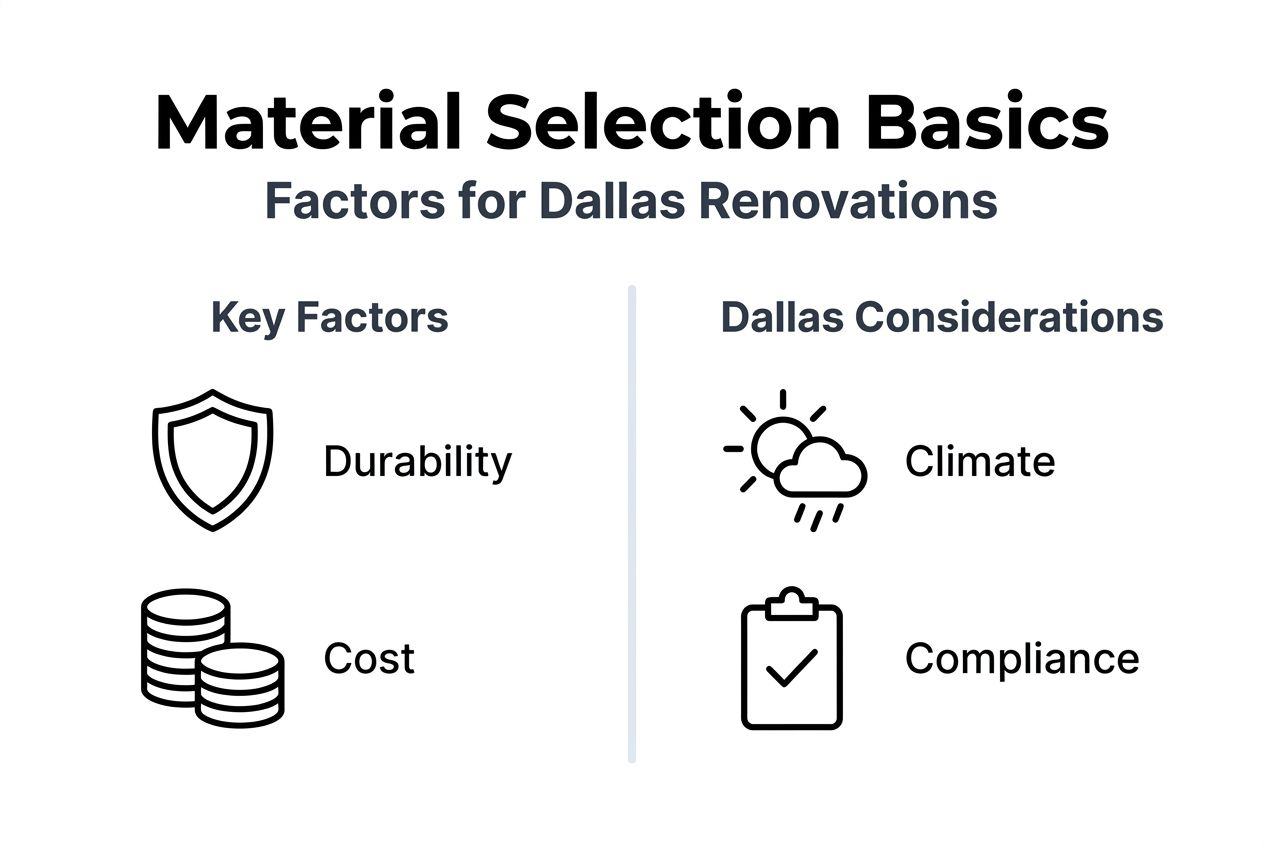
Regulatory compliance ensures materials meet local codes, avoiding the delays and penalties that affect nearly one in five area projects. Review building permit requirements in Dallas-Fort Worth early in planning to understand which materials and installation methods are approved.
Aesthetic goals should be balanced with functionality to maintain both home value and personal satisfaction. Create a prioritized list of must-have visual features, then identify materials that deliver those qualities while meeting performance requirements.
Key decision factors to evaluate:
- Total 15-year ownership cost including all expenses
- Documented performance in hot, humid climates
- Code compliance and permit approval likelihood
- Maintenance time and skill requirements
- Energy efficiency and utility impact
- Resale value contribution
Using a clear framework increases decision satisfaction by 35% and ROI by 20% according to renovation industry studies. The systematic approach prevents emotional decisions and ensures you consider all relevant factors. Consulting experts during this process, particularly professionals familiar with material selection frameworks, enhances your material choices and overall project success.
Practical steps for homeowners: applying expert guidance
Translating knowledge into action requires a clear roadmap. Follow these steps to select climate-appropriate, durable materials for your Dallas-Fort Worth renovation.
-
Assess local climate demands early. Document your property’s specific exposure to sun, wind, moisture, and storm risks. South and west-facing surfaces need maximum UV protection. Low-lying areas require superior moisture management.
-
Evaluate lifecycle costs thoroughly. Create a spreadsheet comparing total 15-year costs for each material option. Include purchase, installation, annual maintenance, energy impact, and expected replacement timing.
-
Choose materials with proven weather durability. Prioritize products with documented performance in Texas climates. Request warranty terms and verify they cover local weather conditions, not just manufacturing defects.
-
Review and comply with Dallas-Fort Worth building codes. Meet with your jurisdiction’s building department or review online resources to confirm material and installation requirements. Non-compliance causes expensive delays and forced changes.
-
Consult local renovation experts. Professionals familiar with area conditions provide insights that general research cannot. They know which products perform well and which have caused problems in similar projects.
-
Balance aesthetic preferences with functional durability. Identify materials that satisfy both visual goals and performance requirements. Modern products often offer the appearance of traditional materials with superior durability.
Pro Tip: Create a decision matrix scoring each material option across all critical factors, then weight the scores based on your priorities to identify the optimal choice objectively.
Homeowners who select renovation materials for lasting results and apply essential home improvement tips for Dallas owners consistently achieve better outcomes. Taking time to research, compare, and validate your choices prevents the regret and expense of premature failure.
Enhance your Dallas-Fort Worth home renovations with Astrotech Construction
Selecting the right materials represents just one piece of a successful renovation puzzle. Astrotech Construction specializes in tailored expert home remodel renovation services optimized for Dallas-Fort Worth’s unique climate and homeowner needs.
Our expert team assists with material selection, ensuring every choice maximizes durability, energy efficiency, and code compliance. We understand local building requirements and climate challenges intimately. This expertise translates into renovations that perform beautifully for decades, not just years.
Leverage Astrotech’s seamless home remodeling workflow to maximize value and satisfaction in your home improvements. From initial consultation through final inspection, we guide you through decisions that balance your aesthetic vision with practical performance. Our full home remodeling services cover everything from material selection to expert installation, ensuring your renovation delivers the lasting results you deserve.
Frequently asked questions
What are the most durable siding materials for Dallas-Fort Worth homes?
Durability varies significantly by material type and local climate conditions. Composite and vinyl sidings excel at resisting humidity and UV damage compared to traditional wood, which deteriorates rapidly in Dallas-Fort Worth’s hot, moist environment. Stone siding offers the best combination of durability and energy efficiency, though it requires a higher initial investment.
How can waterproofing reduce renovation maintenance costs in storm-prone areas?
Waterproofing treatments can reduce storm damage repair costs by up to 30% in regions like Dallas-Fort Worth that experience frequent severe weather. These protective measures prevent moisture from penetrating materials, stopping rot, mold, and structural damage before they start. Properly waterproofed renovations require fewer emergency repairs and last significantly longer.
Why is it important to comply with local building codes when selecting renovation materials?
Ignoring building codes causes nearly 18% of DFW renovations to face costly delays or fines during inspection. Code compliance ensures your project receives timely approval and protects you from legal liability if problems arise later. Following compliance tips for remodels in Dallas-Fort Worth streamlines the permit process and prevents expensive corrections during construction.
What are expert tips for balancing aesthetics and functionality in material selection?
Prioritize climate-appropriate materials first, then identify options within that group that match your aesthetic preferences. Modern manufacturing has created products that combine the appearance of traditional materials with superior performance characteristics. Consulting professionals helps you discover durable, visually pleasing solutions specifically tailored to your home’s architecture and your personal style.
Recommended
- 7 Essential Home Improvement Tips 2025 for Dallas Owners – Astrotech Construction
- 7 Key Home Improvement Trends 2025 for Dallas Owners – Astrotech Construction
- DFW Home Improvement Checklist: Boost Success 30% – Astrotech Construction
- How to Budget Renovation: Essential Steps for DFW Homeowners – Astrotech Construction