
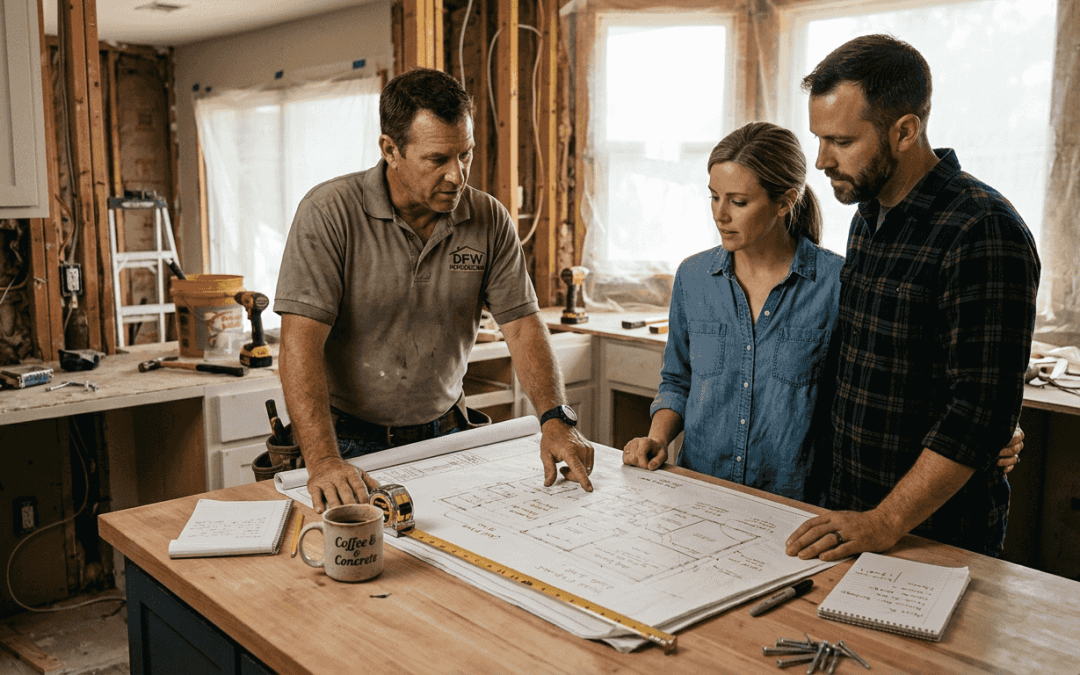
Renovation projects in Dallas-Fort Worth frequently exceed budgets by 80% or more, often because homeowners don’t fully understand scope creep. Many confuse normal project changes with scope creep, leading to uncontrolled costs and frustrating delays. This guide clarifies what scope creep actually means in construction, why it particularly impacts residential remodeling, its legal implications, and proven strategies to prevent budget disasters in your next renovation.
Table of Contents
- What Is Scope Creep And Why It Matters In Home Renovation?
- Legal Framework And Contracts: How To Manage Scope Creep Risks
- Common Causes Of Scope Creep And How To Spot Them Early
- Financial Impact Of Scope Creep On Renovation Budgets In Dallas-Fort Worth
- Practical Strategies To Prevent And Control Scope Creep In Residential Projects
- How Astrotech Construction Helps Dallas-Fort Worth Homeowners Avoid Scope Creep
- Frequently Asked Questions
Key takeaways
| Point | Details |
|---|---|
| Scope creep definition | Uncontrolled expansion of project requirements after work begins, causing budget and timeline overruns. |
| Legal protection | Written contracts and signed change orders are essential to prevent disputes and unauthorized cost increases. |
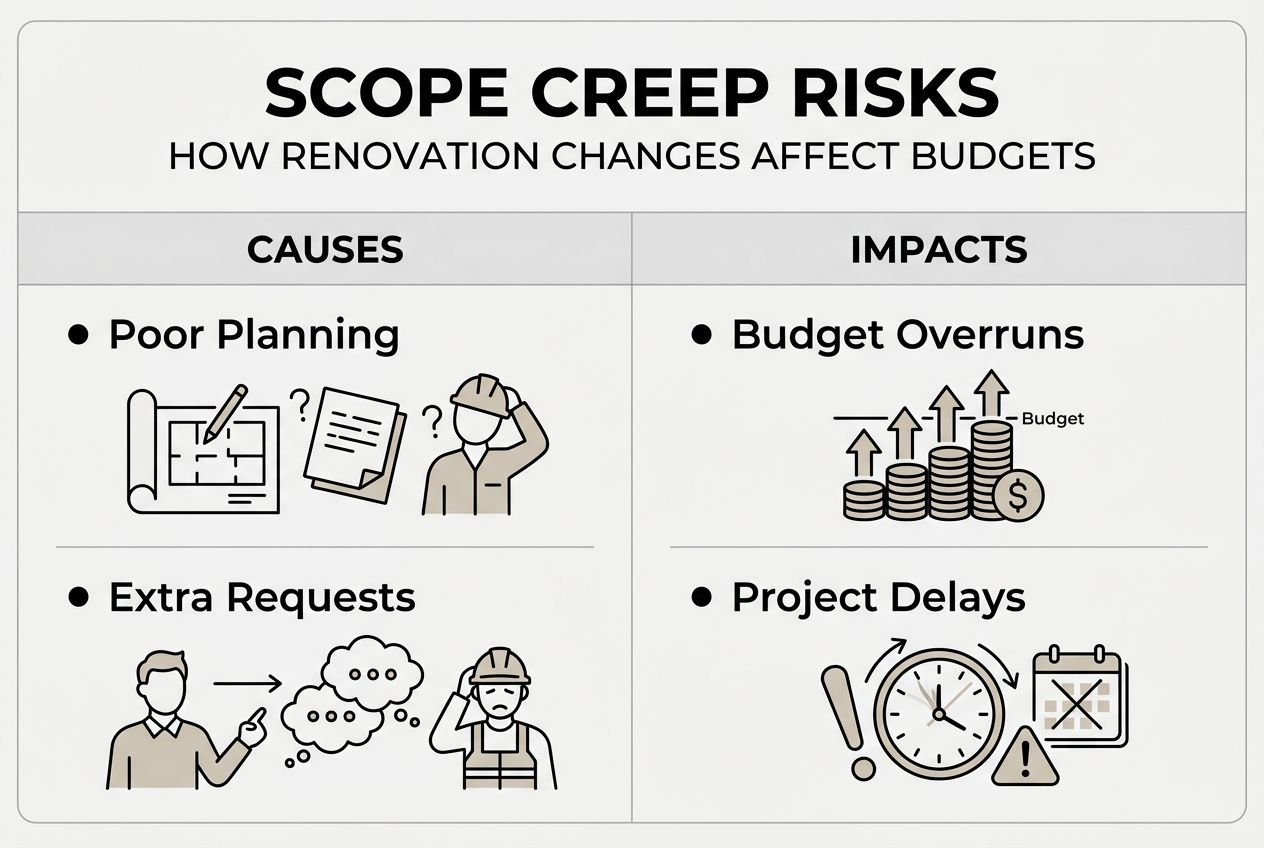
| Common causes | Poor communication, incomplete planning, and undocumented client requests drive most scope creep issues. |
| Prevention strategies | Detailed scope definition, mandatory change orders, frequent communication, and realistic budgets with contingencies. |
What is scope creep and why it matters in home renovation?
Scope creep is uncontrolled expansion to project requirements after a project starts, leading to budget overruns and delays. In residential construction, this happens when homeowners request additions or changes without formal documentation, or when contractors fail to define boundaries clearly upfront. A kitchen remodel that begins with cabinet replacement can spiral into full structural changes, appliance upgrades, and flooring replacement without proper controls.
The problem hits home renovations especially hard because homeowners often live in the space during construction. You see opportunities for improvement daily, making it tempting to add “just one more thing” without understanding cumulative impacts. These seemingly minor requests stack up quickly, turning manageable projects into budget disasters.
Understanding remodeling scope fundamentals helps you recognize the difference between legitimate change orders and scope creep. Common scenarios include:
- Verbal requests made during construction without written approval
- Contractor suggestions that expand beyond the original agreement
- Design changes made after materials are ordered or work has begun
- Additional features discovered during demolition that weren’t in the original plan
Each addition seems reasonable in isolation, but together they create significant cost and schedule impacts. Recognizing scope creep early protects your investment and keeps your renovation on track.
Legal framework and contracts: how to manage scope creep risks
Written contracts serve as your primary defense against unauthorized scope expansion. Courts emphasize written contract adherence in managing scope creep disputes, making detailed documentation essential from day one. Your contract should specify exactly what work is included, what materials will be used, and clear boundaries for the project.
Change orders provide the legal mechanism to modify scope after work begins. Signed change orders are binding and courts uphold them in disputes over added work, protecting both you and your contractor. Every modification, no matter how small, should be documented in writing with cost and timeline impacts clearly stated before work proceeds.
Verbal agreements create the most common source of disputes. When you discuss potential changes on site without written documentation, you create ambiguity about what was actually agreed upon. Contractors may assume you approved additional costs, while you believed the work was included in the original scope.
Understanding remodeling contract essentials helps you create protective agreements. Key contract elements include:
- Detailed scope of work with specific deliverables
- Clear change order process with signature requirements
- Payment schedule tied to completed milestones
- Dispute resolution procedures
Professional construction contract legal guidance ensures your agreements meet Texas requirements and protect your interests. Investing in proper contracts upfront prevents expensive litigation later when scope disputes arise.
Common causes of scope creep and how to spot them early
Inadequate scope definition at the planning stage invites unauthorized additions throughout your project. When initial plans lack detail or leave decisions for later, contractors must make assumptions that may not align with your expectations. This ambiguity creates opportunities for scope to expand without clear approval processes.
Poor communication causes 30 percent of construction failures, making it a primary driver of scope creep. When you don’t establish clear communication channels with your contractor, small misunderstandings compound into major problems. Regular check-ins and documented discussions prevent assumptions from becoming costly mistakes.
Client requests during active construction often lack proper handling procedures. You might mention wanting different tile in passing, assuming the contractor will provide a cost estimate before proceeding. Without clear protocols, contractors may interpret casual conversations as approvals, leading to surprise bills later.
Underestimating work during planning is a primary cause of scope creep, particularly in older homes where hidden issues emerge during demolition. Opening walls may reveal outdated wiring or plumbing that needs updating for code compliance, expanding the project beyond initial estimates.
Effective communication in renovation projects prevents most scope creep issues. Early warning signs include:
- Contractor suggestions without written cost estimates
- Design decisions postponed to “figure out during construction”
- Vague contract language like “approximately” or “as needed”
- Missing specifications for materials, finishes, or fixtures
Pro Tip: Document every verbal request immediately in writing, even if it seems minor. Send an email or text confirming what was discussed and request a formal change order before any work begins. This simple habit prevents most scope creep disputes.
Financial impact of scope creep on renovation budgets in Dallas-Fort Worth
The financial consequences of scope creep can devastate even well-planned budgets. Scope creep transforms $7,000 renovations into $38,000 nightmares quickly when left uncontrolled. What begins as a modest bathroom update spirals into structural changes, expanded square footage, and premium finishes that weren’t in the original plan.
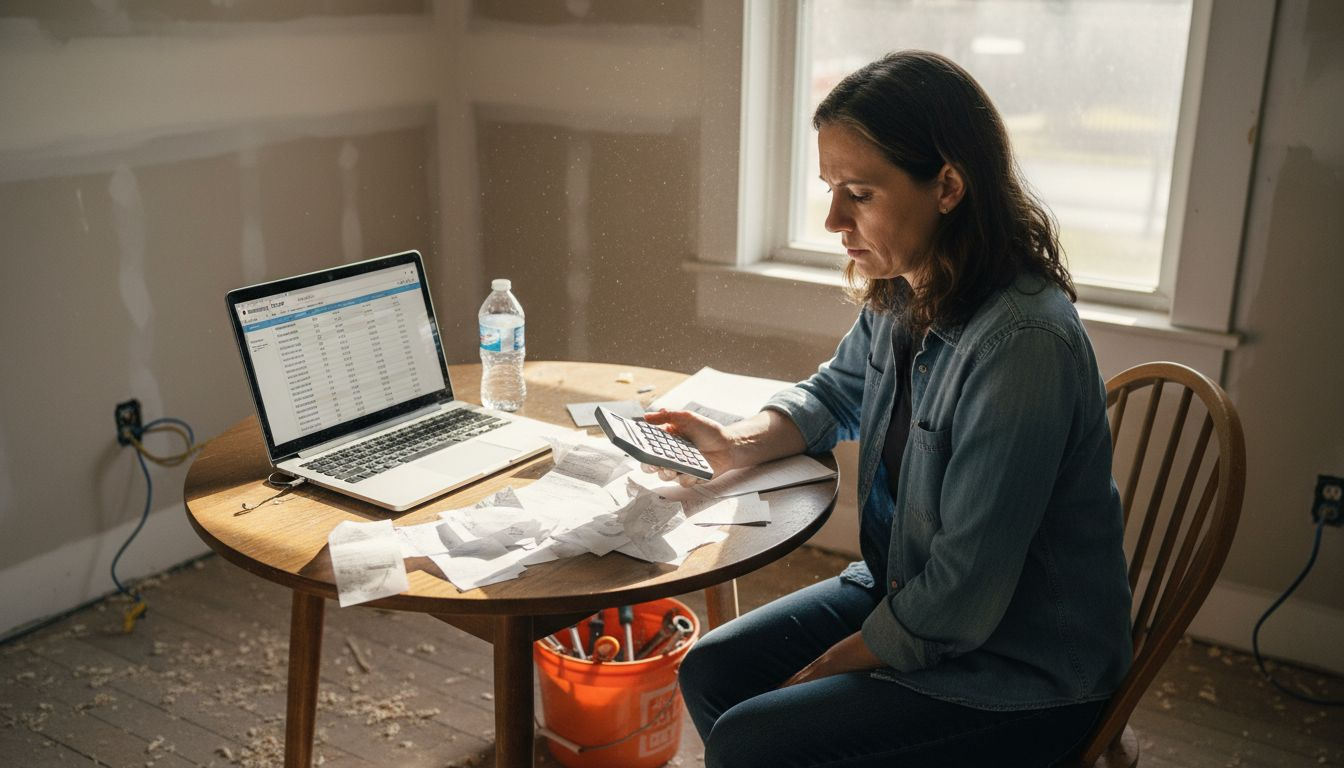
85 percent of construction projects fail to stay within budget, with scope creep being a leading cause. In the Dallas-Fort Worth market, where renovation demand stays high, homeowners face particular pressure to expand projects when they see neighboring homes with upgraded features. This keeping-up mentality drives scope increases beyond original intentions.
Small changes accumulate faster than most homeowners anticipate. Adding recessed lighting might seem like a $500 decision, but it requires electrical work, ceiling repairs, and repainting that push costs to $2,000 or more. Each addition creates ripple effects throughout the project budget.
| Scope Change | Initial Cost Estimate | Actual Final Cost | Budget Increase |
|---|---|---|---|
| Kitchen cabinet upgrade | $8,000 | $12,500 | 56% |
| Bathroom tile change | $3,000 | $5,800 | 93% |
| Added outdoor patio | $15,000 | $28,000 | 87% |
| Flooring material swap | $4,500 | $7,200 | 60% |
Late additions reduce your contingency funds designed for unexpected but necessary repairs. When scope creep consumes contingency money, genuine surprises like foundation issues or code violations leave you without financial cushion. This forces difficult choices between completing the project or cutting corners.
Understanding remodeling cost estimation helps you build realistic budgets with appropriate contingencies. Pro Tip: Lock in scope and budget with clear contracts and realistic estimates before signing. Include a 15-20% contingency for genuine surprises, but protect it from scope creep by requiring formal approvals for all changes.
Practical strategies to prevent and control scope creep in residential projects
Preventing scope creep requires proactive planning and disciplined execution throughout your renovation. Contractors should speak early when scope shifts to avoid budget issues later, but you must create systems that encourage this communication. Establishing clear expectations upfront sets the foundation for successful scope management.
Homeowners should ensure all agreements with contractors are in writing to avoid disputes. Verbal understandings feel efficient in the moment but create ambiguity when memories differ about what was discussed. Written documentation protects both parties and provides clear reference points when questions arise.
Implement these proven strategies to maintain control:
- Define your scope in exhaustive detail before construction starts, including specific materials, finishes, and fixtures with model numbers when possible.
- Require signed change orders for every modification, no matter how small, with clear cost and timeline impacts stated before work begins.
- Schedule weekly progress meetings with your contractor to address questions before they become problems and review any potential changes formally.
- Build realistic budgets including 15-20% contingency for legitimate surprises, but track contingency spending separately from scope changes.
- Choose experienced contractors with proven scope management systems rather than selecting based solely on lowest bid.
- Document all site conversations in writing within 24 hours, sending confirmation emails or texts to create clear records.
Effective project scoping practices establish clear boundaries from the start. Review your remodeling scope guide to understand what comprehensive scope definition looks like in practice.
Pro Tip: Choose cost-plus contracts with reputable contractors for transparency when project complexity makes fixed bids difficult. This approach requires detailed tracking but prevents disputes over what’s included, as you pay actual costs plus agreed markup rather than fighting over scope interpretation.
How Astrotech Construction helps Dallas-Fort Worth homeowners avoid scope creep
Managing scope creep requires expertise and systems that most homeowners don’t have time to develop. Astrotech Construction brings proven processes to define precise scopes and manage budgets effectively throughout your renovation. Our team guides you through comprehensive planning that identifies potential issues before construction begins, reducing surprises that drive scope expansion.
We secure signed change orders for all modifications and maintain clear documentation throughout your project. Our home improvement workflow ensures you understand exactly what’s included and what requires additional approval. From initial remodeling contracts through final walkthrough, we provide the transparency needed to prevent scope creep. Our experience estimating remodeling costs helps you build realistic budgets that account for your goals without unnecessary padding.
Frequently asked questions
What is scope creep in construction projects?
Scope creep is the uncontrolled addition of tasks beyond the original project plan without proper approval or documentation. It leads to increased costs and delays if unmanaged. Clear contracts and signed change orders help avoid it by establishing what’s included and requiring formal approvals for modifications.
How can homeowners prevent scope creep during renovations?
Use detailed written contracts with contractors that specify exactly what work is included and what requires additional approval. Approve only documented change orders with clear cost and timeline impacts stated before work begins. Maintain open communication with your project team through scheduled meetings and immediate documentation of all discussions about potential changes.
What should I do if scope creep happens on my project?
Discuss changes immediately with your contractor and project manager when you notice work proceeding beyond the original scope. Request written change orders before any additional work continues, even if some unauthorized work already occurred. Negotiate budget and timeline updates promptly, documenting all agreements in writing to prevent further disputes about what was approved.
Are verbal agreements with contractors legally binding?
Verbal agreements may be legally binding under Texas law, but they’re extremely difficult to prove and enforce in disputes. Courts strongly prefer written contracts and change orders because they provide clear evidence of what was agreed upon. Always insist on written documentation for any project modifications to protect yourself from costly misunderstandings.
How much contingency should I include in my renovation budget?
Include 15-20% contingency for legitimate surprises like hidden structural issues or code compliance requirements discovered during construction. Keep this contingency separate from your main budget and resist using it for scope changes or upgrades. Protect your contingency fund by requiring formal change orders with separate pricing for any additions beyond the original scope.
Recommended
- What is project scoping: Your guide to smoother remodeling – Astrotech Construction
- Value engineering in Dallas renovations: save 25-40% – Astrotech Construction
- Remodeling Scope Explained: Complete Project Breakdown – Astrotech Construction
- How to Manage Renovations for Stress-Free Results – Astrotech Construction